All Categories
Featured
Table of Contents
Guaranteeing available, cost-effective, and sustainable infrastructure services is vital in getting rid of hardship and structure shared prosperity. Various federal governments come across problems in delivering these services to their citizens, mostly due to governance concerns rather than financial constraints. Typically, nations waste roughly one-third of their infrastructure expenditures due to inefficiencies, with low-income countries experiencing losses surpassing half, as reported by the International Monetary Fund (IMF). To address these governance difficulties surrounding facilities development and enhance the efficiency of facilities financial investments, the World Bank has presented the Facilities Governance Assessment Framework, known as InfraGov.
The framework offers a summary of the governance that leads to quality infrastructure and offers resources and methodologies for performing such an evaluation. Broadly speaking, the InfraGov framework evaluates three significant locations of facilities governance: The first area relates to the lifecycle of an infrastructure project, focusing on selection, design, procurement, and implementation of investment projects.
The 3rd location worries the ways in which infrastructure services are provided to consumers. It includes market structure and competitors, the regulative framework for resolving natural monopoly activities, and business governance and governance plans around State Owned Enterprises. The importance of these broad locations and measurements might differ depending on the particular governance arrangements in location for various sectors in various countries.
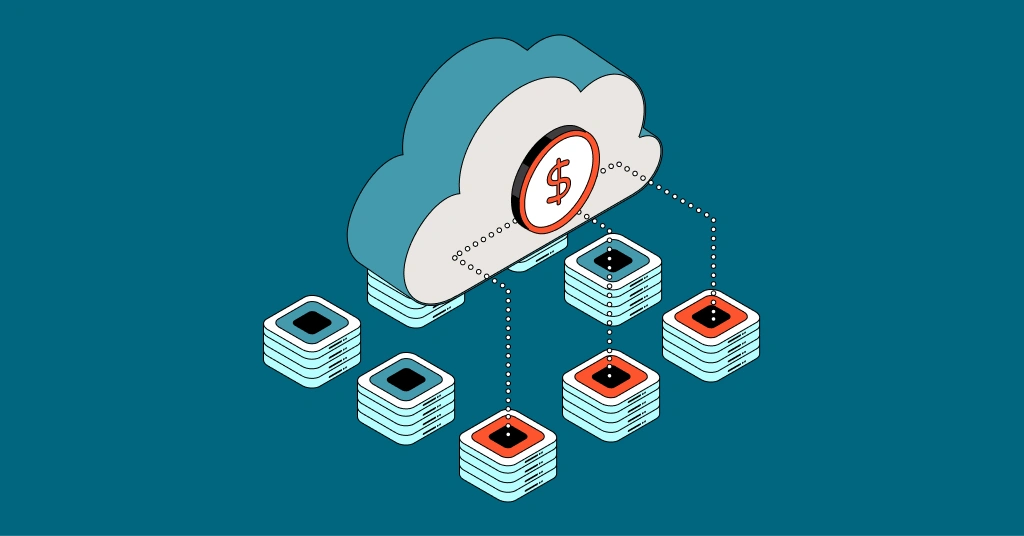
Essential Governance KPIS for Enterprise IT Management
They are not intended to recommend specific systems or institutions; rather they highlight behaviors likely to deliver great facilities outcomes, acknowledging that there are various methods to stimulate these habits. The goal is to supply problem-driven actionable suggestions that result in concrete policy modifications. Last Updated: Dec 07, 2023.
When an energy grid fluctuates, a water authority loses pressure, or a hospital network goes dark, the impact does not stop at the firewall. It bypasses the IT department and heads straight into the living-room, kitchen areas, and emergency wards of our communities. In Critical Infrastructure (CI), a digital failure is never simply a data point; it's a public safety occasion.
A CFO Guide to Real-Time Cloud Visibility in AustraliaIf your governance model was built for a world where risk was separated and internal, you aren't just behind, you're exposed. Air-gapped systems were once thought about the gold standard. Today, that's mostly a misconception. Three structural shifts have turned once-isolated Operational Innovation (OT) into a community-wide direct exposure: The Convergence Trap: Legacy systems were bolted onto modern-day networks for effectiveness, however they weren't developed to hold up against persistent threats.
Mitigating Sprawl Through Centralised Governance in AustraliaIs the Enterprise IT Budget Optimized for Efficiency?
Interrupting services is far more damaging, noticeable, and brand-impacting. Structures like NERC CIP, NIST CSF, and ISA/IEC 62443 stay essential.
This isn't about more documentation; it has to do with real-time visibility. As AI-driven attack tools make the hazard landscape more volatile, the gap in between being compliant and being resistant is broadening. Real leadership suggests understanding your danger posture at 2:00 PM on a Tuesday, not just during a yearly evaluation. In a crisis, clarity is the most valuable product.
You can not protect what you can not see. Developing a resilient environment requires a deep dive into Cyber-Physical Systems (CPS). This means keeping a live, automatic property inventory and using monitoring tool's purpose built for industrial procedures, not just repurposed IT software application. When your operations, legal, and security groups share the very same source of reality, you move from reacting to managing.
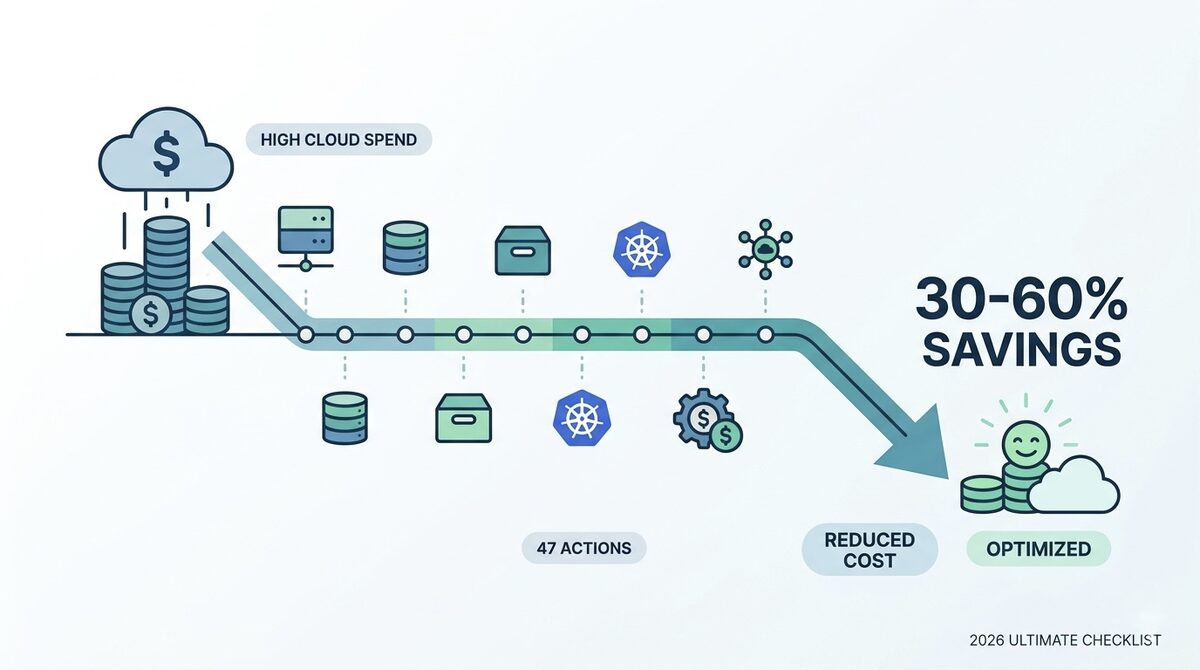
Vital Efficiency KPIS for Modern Cloud Assets
If your supplier's governance consists of a one-time survey signed three years back, you have a blind spot the size of your entire network. Genuine resilience needs a living understanding of who has access, what opportunities they hold, and how their security moves effect your stability. Your ecosystem isn't surrounding to your threat; it is a fundamental part of it.
They didn't wait on a breach to construct a cross-functional response group. They developed healing muscle memory through consistent, iterative practice. We are entering an era specified by systemic threat and increasing regulative pressure for openness. The leaders who will flourish aren't necessarily the ones with the biggest budgets, but the ones who acknowledge that digital governance is now a pillar of public trust.
By syncing security information with functional uptime requirements, companies can change risk from a concealed liability into a managed property. Use continuous governance to proactively deal with supplier vulnerabilities and build the organizational muscle memory required to deal with emerging threats head-on.

Latest Posts
Evaluating New Metrics for Resource Efficiency
Maximizing Cloud Allocation for Optimal ROI
Legacy Vs Modern Cost Governance Approaches